

The Kenya property market in 2026 is growing steadily rather than booming. Prices in Nairobi’s established suburbs are rising modestly, rents are climbing faster than prices, and some satellite towns are cooling off. For buyers and investors, this is a market that rewards location, research and patience.
This guide covers what the latest data shows, which areas are performing, and what to check before you buy.
Kenya Property Market 2026 at a Glance
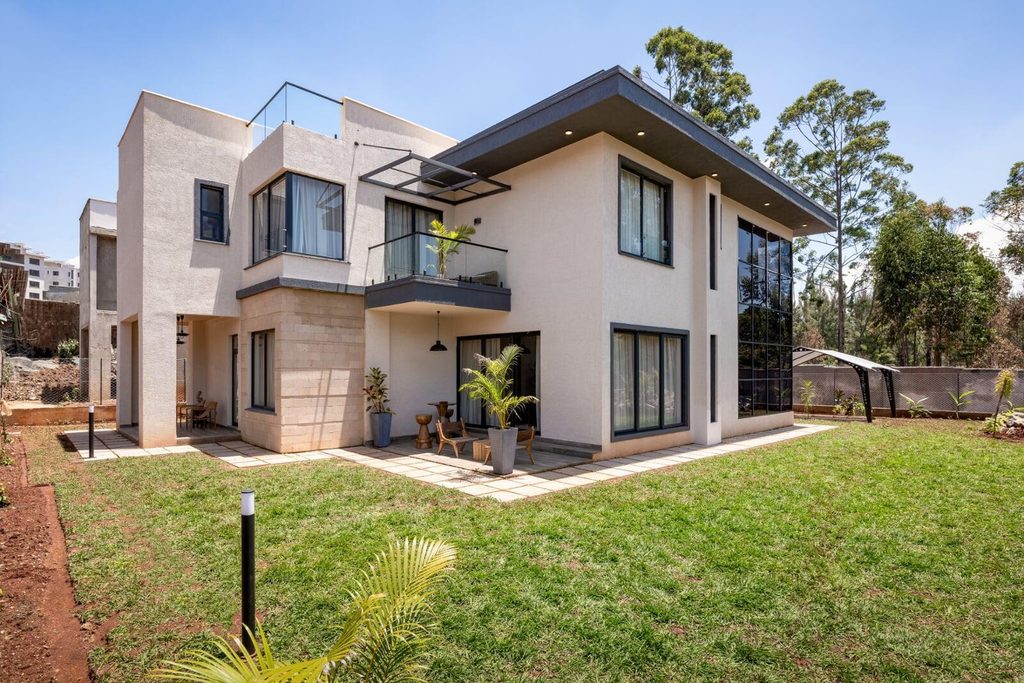
According to the HassConsult House Price Index for the second quarter of 2026:
- Nairobi suburbs: the average house price is about KSh 33.1 million, up 0.9% on the previous quarter (Q1 2026: +1.1%).
- Satellite towns: the average house price is about KSh 14.52 million, down 0.6% on the quarter (Q1 2026: -0.9%).
- Rents: up 1.4% in Nairobi suburbs and 1.1% in satellite towns.
- Rental yields: about 7.4% in Nairobi suburbs and 5.4% in satellite towns.
In short, Nairobi’s prime suburbs are holding up well, while the commuter belt is under pressure.
Nairobi Suburbs: Where Prices Are Rising
Prime, well-serviced suburbs continue to lead. In the second quarter of 2026, the strongest quarterly price gains among Nairobi suburbs were:
- Ridgeways: +3.4%
- Karen: +3.2% (about +14% over the year)
- Lavington: +3.1% (about +14% over the year)
- Runda: +2.8%
- Spring Valley: +2.4%
Karen, with an average price above KSh 113 million, and Lavington and Ridgeways, both above KSh 80 million, remain firmly in the premium segment. Runda and Ridgeways also recorded some of the strongest rental growth.
Buyers looking at these areas are generally buying for long-term capital growth and quality of life, rather than a quick flip.
Satellite Towns: A Mixed Picture

Most of the towns around Nairobi saw prices soften in the second quarter of 2026. Eight of the ten towns tracked recorded quarterly declines, including Ongata Rongai (-2.7%), Ngong (-2.5%) and Kiambu (-1.9%).
There are bright spots. Tigoni (+1.0% on the quarter, about +7% on the year) and Ruiru (+0.9% on the quarter, about +5.5% on the year) held up well, and rents in Ongata Rongai, Athi River and Mlolongo grew by 3% or more.
This matters for investors. Falling prices combined with rising rents can mean better entry points and improving yields, but only if you pick the right micro-location and the right product.
Apartments: Syokimau, Riverside and Kilimani Lead
The apartment market is uneven. Over the second quarter of 2026:
- Syokimau rose 2.4% (about +10% over the year), helped by its position along the Nairobi-Mombasa corridor and the SGR.
- Riverside (+1.9%) and Kilimani (+1.6%) continued to attract steady demand.
- Upperhill, Westlands, Lavington and Ruaka saw prices dip, which points to oversupply in parts of the market.
If you are buying an apartment as an investment, check how many similar units are being completed nearby before you commit.
Rental Yields in Kenya in 2026
Rental yields remain one of the main reasons people invest in Kenyan property. Current estimates put them at:
- About 7.4% for houses in Nairobi suburbs.
- About 5.4% for houses in satellite towns.
- Higher yields are often quoted for serviced apartments and commercial property, but these depend heavily on occupancy and management quality.
Remember that gross yield is not net return. Service charges, vacancy periods, repairs, management fees and tax all reduce what ends up in your pocket.
What Is Driving the Market?
Several factors continue to support demand:
- Urbanisation and population growth, especially around Nairobi.
- Infrastructure, including the Nairobi Expressway and road and rail links that open up new corridors.
- A growing middle class seeking to move from renting to owning.
- Government housing programmes, which are increasing supply at the affordable end of the market.
Risks to Watch Out For
- Oversupply in some Nairobi apartment and older office segments.
- Financing costs. Borrowing remains expensive for many buyers.
- Title fraud. Double allocation and forged documents are still a real risk, particularly with land.
- Inflation. It rose to 6.4% by June 2026, which affects both buyers’ budgets and construction costs.
What Buyers and Investors Should Do in 2026
- Do a proper title search at the land registry before paying any deposit.
- Use a qualified advocate for the sale agreement, stamp duty and transfer.
- Budget for costs. Stamp duty is generally 4% in urban areas and 2% in rural areas, plus legal fees and valuation costs. Capital gains tax of 15% applies on net gains when you sell.
- Compare micro-locations, not just towns. Two estates in the same area can perform very differently.
- Work with a licensed, registered agent and ask for their registration details.
- Visit in person at different times of day, and ask about water, security and access roads.
- Think long term. Property is not a quick-return asset, particularly in a market growing at a modest pace.
Frequently Asked Questions
Is 2026 a good time to buy property in Kenya?
It can be, if you buy for the long term and choose carefully. Prime Nairobi suburbs are growing steadily, while some satellite towns offer lower entry prices.
Which areas have the best price growth in 2026?
In the second quarter of 2026, Ridgeways, Karen, Lavington and Runda led the suburbs, and Syokimau led the apartment market.
What is the average rental yield in Nairobi?
Around 7.4% for houses in Nairobi suburbs, according to the latest HassConsult data. Actual returns vary by location and property type.
Can foreigners buy property in Kenya?
Foreigners cannot hold freehold land but can hold leasehold interests, typically up to 99 years, and can own apartments. Get legal advice before buying.
Conclusion
The Kenya property market in 2026 favours careful, informed buyers. Prime Nairobi suburbs are rising steadily, rents are growing, and parts of the commuter belt offer opportunity alongside risk. Do your due diligence, buy for the long term, and work with professionals you trust.
Looking to buy or sell property in Kenya? Speak to the KNM Property Group team for guidance on available homes, plots and commercial property.
Notes before you publish
- The figures come from the HassConsult Q2 2026 index as reported by The Kenya Times, and yields and tax points from a property-platform article. I could not open the original HassConsult report, so check the numbers against it before publishing. The source article also contradicts itself on how many apartment markets fell; I used only the figures in its table.
- Tax rates and foreign ownership rules change, so have your advocate confirm them. Adjust the closing call to action to suit the site this post goes on.
Sources:
- HassConsult Q2 2026 index coverage, The Kenya Times
- Suburban house prices lead Nairobi property market growth in early 2026, People Daily
- Investing in Kenyan Real Estate in 2026, Realtors.co.ke